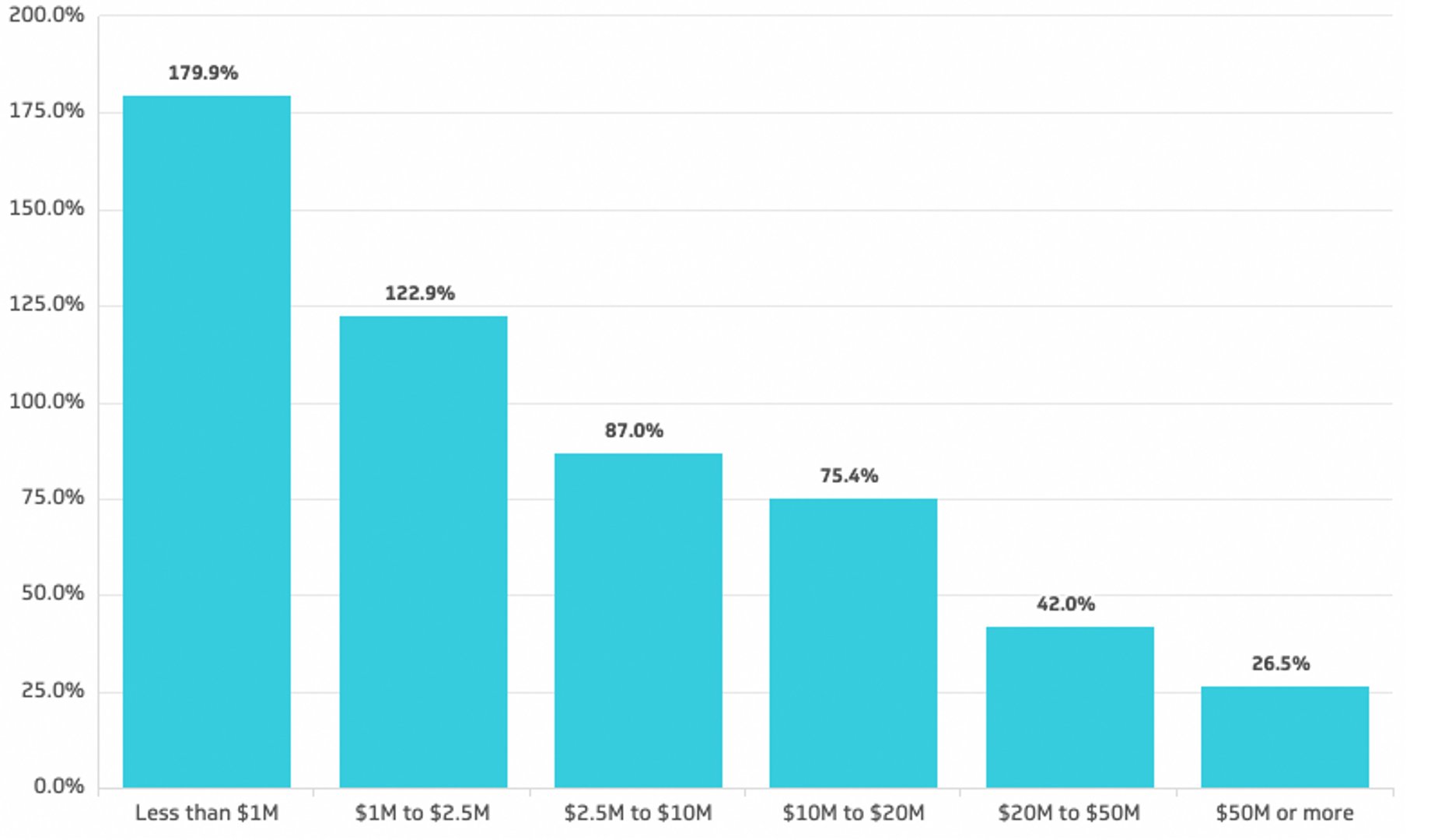
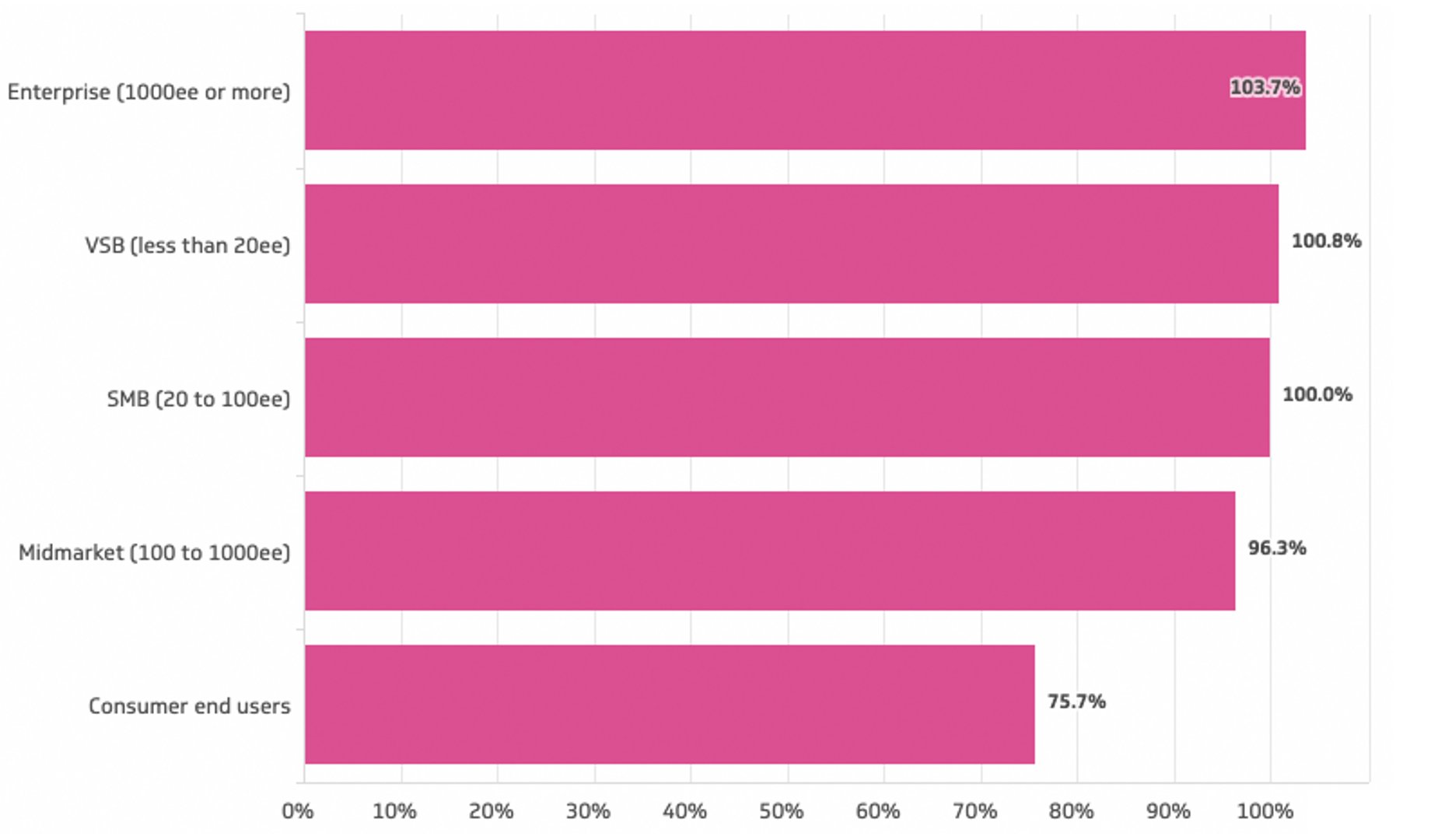
Revenue is the total income generated from a company's primary business operations before deducting any costs or expenses. Often called the "top line" because it appears at the top of the income statement, revenue represents the gross amount earned from core business activities such as product sales, service fees, subscriptions, or licensing agreements.
Revenue calculation depends on your business model and revenue recognition method.
For a subscription business, if a customer signs an annual contract for $12,000 with monthly payments, you would recognize $1,000 in revenue each month over the 12-month period, totalling $12,000 for the year.
For one-time sales, revenue equals the sale price multiplied by units sold. It's crucial to distinguish between cash received and revenue recognized - they may not occur in the same period depending on your accounting method.
Revenue visualization should match your analysis needs. Use summary charts or KPI dashboards to display current revenue figures and compare them to targets or previous periods. Time-series line charts effectively show revenue trends and seasonality patterns, while area charts can illustrate cumulative revenue growth. For businesses with multiple revenue streams, stacked bar charts or waterfall charts help break down contributions by product line, geography, or customer segment.
Revenue encompasses all income from primary operations including product sales, service fees, subscription revenue, licensing income, and rental income, but excludes non-operating income like investment gains or asset sales. Understanding revenue recognition principles is critical - companies using accrual accounting recognize revenue when earned (regardless of payment timing), while cash-basis companies recognize it when payment is received.
Key revenue-related metrics include Monthly Recurring Revenue (MRR), Annual Recurring Revenue (ARR), Average Revenue Per User (ARPU), and revenue growth rates. Analysts should also track revenue quality by examining customer concentration risk, recurring versus one-time revenue mix, and revenue predictability.
Revenue serves as the foundation for calculating gross profit (revenue minus cost of goods sold) and is essential for ratio analysis including gross margin, operating margin, and revenue multiples used in valuation. When analyzing revenue, consider seasonality patterns, contract terms, customer retention rates, and the sustainability of growth rates to provide meaningful insights for business decision-making.